
Choosing between Botox and dermal fillers often comes down to understanding what is actually changing in your face. These treatments are frequently mentioned together, yet they solve very different concerns. One focuses on muscle movement, while the other addresses volume and structure.
Lines, folds, and subtle shifts in facial shape can appear at the same time, which makes it difficult to know where to start. A closer look at how each treatment works helps clarify which direction makes the most sense.
Facial aging is not tied to a single cause. It develops through a combination of repeated muscle movement, gradual collagen loss, and changes in fat distribution. Skin also becomes thinner over time, which makes lines more noticeable.
Expression lines are usually the first to show. These form in areas that move frequently, such as the forehead or around the eyes. As the years go on, volume loss becomes more visible, particularly in the cheeks and lower face. This shift can lead to deeper folds and a less defined contour.
Because these changes happen at different levels of the face, treatment needs to match the source of the concern rather than just the surface appearance.
Botox works by relaxing specific muscles that contribute to expression lines. It does not fill or reshape the face. Instead, it reduces the movement that causes creasing in the skin.
This is why Botox injections are commonly used for areas where facial expressions are strongest. When muscle activity is softened, the overlying skin has a chance to appear smoother.
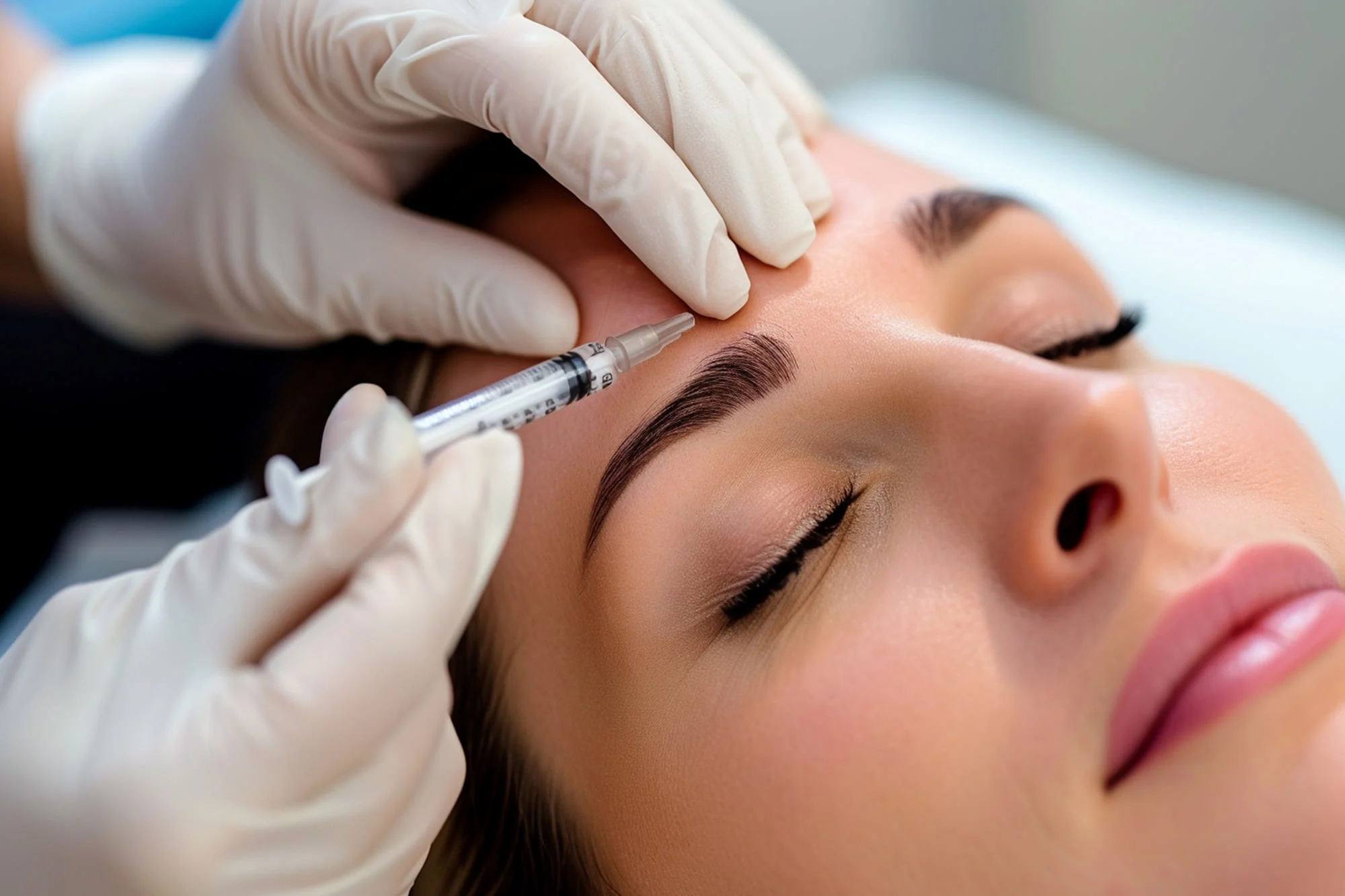
A forehead Botox treatment is often used to soften horizontal lines that form from raising the brows. In the area between the eyebrows, Botox for frown lines helps reduce the vertical creases that can make the face look tense even at rest. Around the eyes, it can also improve the appearance of fine lines that show when smiling.
Botox is widely known as one of the most effective anti-wrinkle injections because it targets dynamic lines rather than volume-related concerns.
Results begin to appear within a few days and settle fully within about two weeks. The effect is temporary, which means maintenance is needed to keep the same level of smoothing.
Dermal fillers serve a different role. Instead of affecting muscle movement, they restore volume beneath the skin.
As structural support decreases over time, certain areas of the face can look hollow or less defined. Fillers are used to rebuild that support in a controlled way. This can soften deeper folds, enhance natural contours, or improve balance across facial features.
For example, adding volume to the cheeks can subtly lift the mid-face. Treating the lips can restore shape and definition. Addressing areas like the jawline or chin can create a clearer structure.
Most fillers are made from hyaluronic acid, a substance that binds water and contributes to a smoother appearance. The results are visible immediately and can last several months to over a year, depending on how the body metabolizes the product.
The difference between Botox and fillers is best understood by looking at what causes the concern.
Botox is used when muscle movement is responsible for the lines. Fillers are used when volume loss or structural change is the main issue. A line that appears only during expression usually responds well to Botox. A line that remains visible when the face is at rest often requires filler.
These treatments are not interchangeable. Each one addresses a separate layer of facial aging, which is why they are often used together rather than as alternatives.
Botox is typically chosen when the concern is related to repeated expressions. Lines across the forehead, between the brows, and around the eyes are common examples.
It is also used earlier in the aging process as preventative botox. In this approach, the goal is to limit how deeply lines form over time by reducing the strength of repetitive muscle movement.
In addition to smoothing lines, Botox can be used for facial contouring. One example is botox jaw slimming, which works by relaxing the masseter muscles to create a softer and more tapered lower face. This application focuses more on shape than on wrinkles, showing how versatile the treatment can be when used thoughtfully.
Fillers are better suited for concerns that come from volume loss rather than movement. This includes areas where the face appears flatter, hollow, or less defined than before.
As volume decreases in the cheeks, the mid-face can lose support, which contributes to the appearance of deeper folds near the mouth. Lips may also lose fullness or shape over time. In the lower face, reduced structure can affect how defined the jawline or chin appears.
These changes cannot be corrected by relaxing a muscle. Instead, restoring volume beneath the skin is what creates improvement. Fillers are designed to address that need directly, making them the more appropriate option in these situations.
Many treatment plans include both Botox and fillers since they may address different concerns at the same time.
For instance, softening upper face lines with Botox while restoring volume in cheeks with filler can create a more balanced result. Thus, each treatment can complement one another without overlapping in function.
The key here is using both approaches in a way that respects the patient’s natural facial movement and proportions. A measured approach helps maintain expression while refining specific areas.
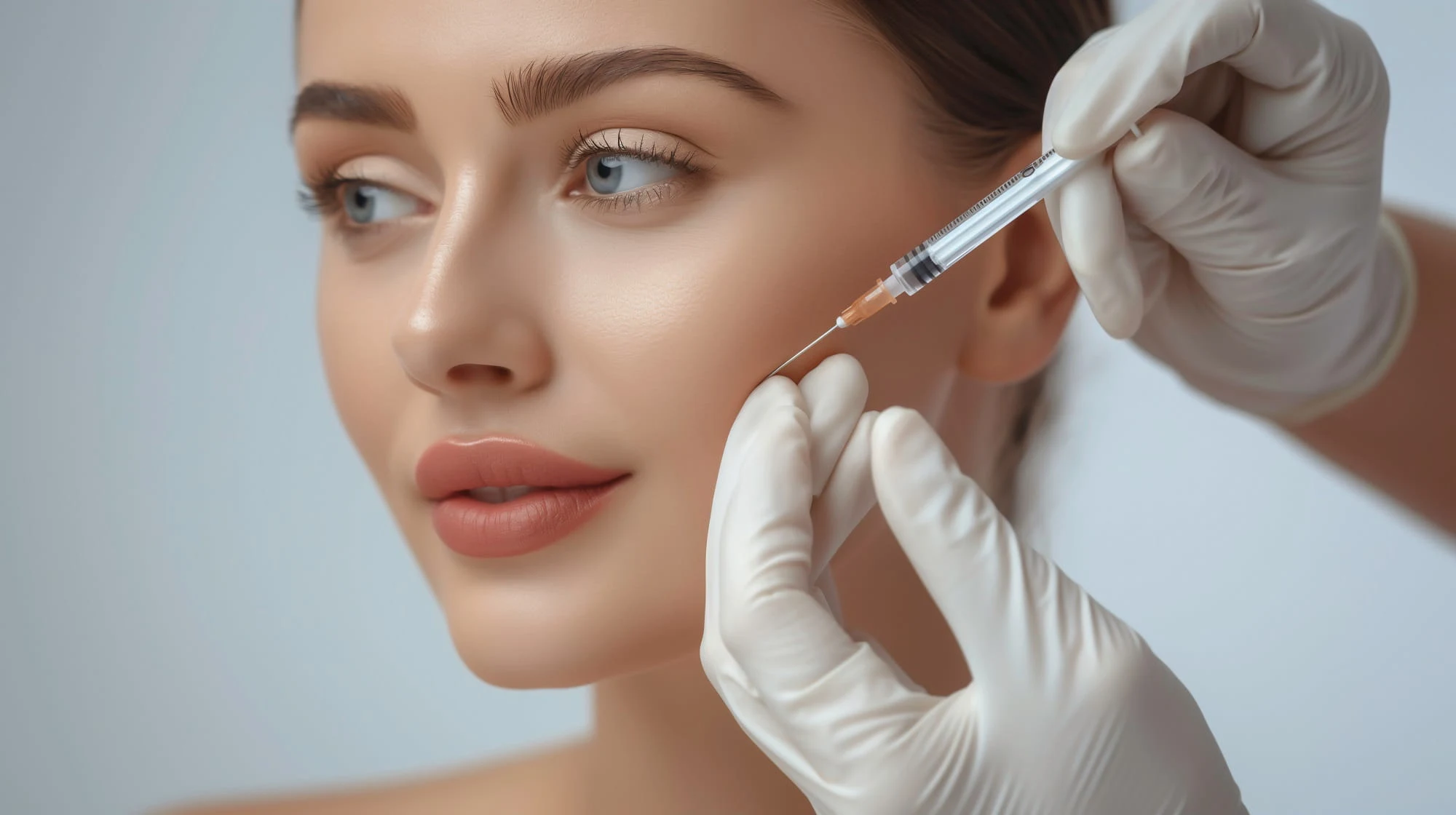
Both Botox and fillers are performed in a clinical setting and typically take a short amount of time to complete. The process involves a detailed assessment followed by targeted injections.
Following treatment, mild swelling or redness can occur. In some instances, small bruises may develop. These effects are usually temporary and resolve within a few days.
Most people return to their regular routine immediately after the appointment. The simplicity of the process is one reason these treatments are widely chosen, though the quality of results still depends heavily on the provider’s experience and technique.
Deciding between Botox and filler typically comes down to identifying the source of the concern rather than focusing on the treatment itself.
If lines are primarily caused by movement, Botox is usually the more effective choice. If the concern is related to volume loss or structural change, fillers are often more suitable. In some cases, combining both leads to a more balanced outcome.
A consultation helps map out these differences clearly. It allows for a plan that aligns with your features and expectations without unnecessary treatment.
For those considering botox Ajax Ontario, Casa Beauty offers treatments performed by trained professionals who focus on precision and individualized care.
Botox is a highly purified protein derived from Botulinum toxin and is widely used across cosmetic treatments. At Casa Beauty, botox injections are used not only to reduce visible lines but also to support overall facial balance.
Clients visiting a botox clinic Ajax location like Casa Beauty receive a personalized assessment before treatment. This allows the provider to tailor each session based on facial structure, movement patterns, and specific concerns.
Treatments may include softening fine lines, improving crow’s feet, or refining the lower face through botox jaw slimming. Some clients also explore Botox for concerns beyond aesthetics, such as muscle-related tension.
Ready to Smooth Away Fine Lines? Book Botox in Ajax
Botox relaxes facial muscles to reduce expression lines, while dermal fillers add volume to restore or enhance facial contours.
The effects of botox injections usually last about 3 to 4 months before a follow-up treatment is needed.
Anti-wrinkle injections is a general term that often refers to Botox or similar products used to soften dynamic lines.
Yes, many patients combine both treatments to address different concerns like wrinkles and volume loss in one session.


Take the next step toward feeling more confident in your skin.
Book your consultation today and let us create a plan that works for you.